Daily life at the Seminary is structured in such a way that the Seminarians will gradually achieve their goals set for each stage of formation, as the time passes by. Seminarians participate in a variety of activities during their daily, weekly, monthly and yearly programmes.
From dawn till dusk, their days are filled with moments of prayer, silence, reflection, study, work, recreation and sports, fellowship and pastoral activities. There is a beauty and clear purpose in the routine. This routine is rooted in a shared quest of holiness, and essentially oriented towards growth in Seminarians until they gradually configure themselves unto the image of Jesus Christ, the Good Shepherd.
Community living is the hallmark of seminary life. Such a living, molds them to be men of communion who are generous, understanding and collaborative. The connections made within the seminary community form a network of support that extends beyond the spheres of academia and spirituality, reflecting the essence of a life devoted to service and the deep dedication to developing well-rounded leaders for the Church.
Prayer and spiritual growth
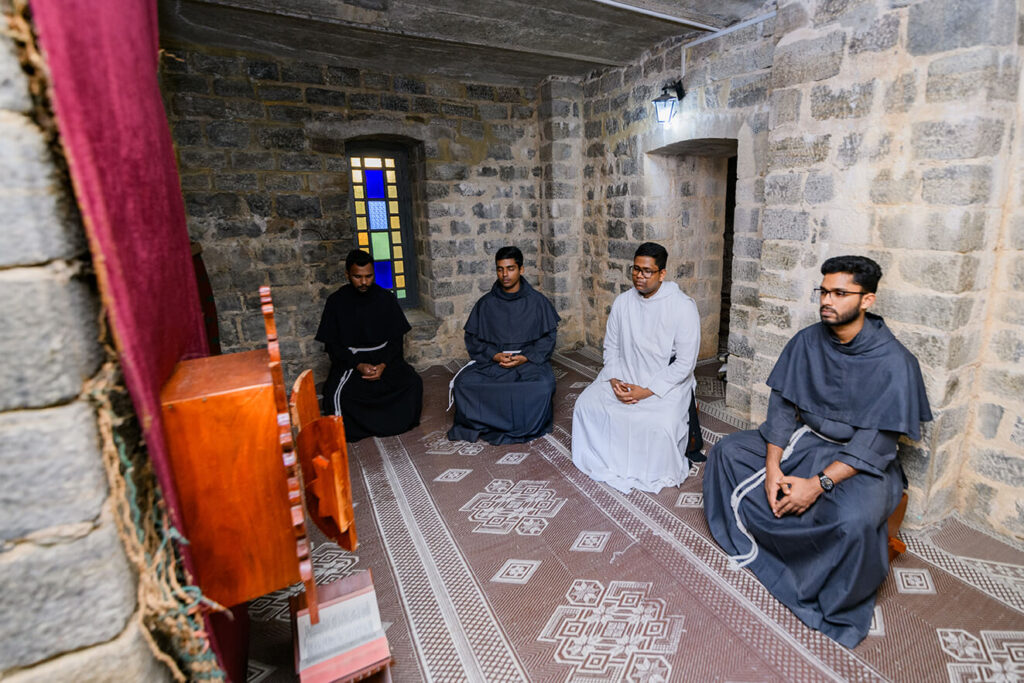
Life of prayer is foundational for the Seminarian for vocational discernment during Seminary days and for his priestly ministry in future. Hence, specific times for personal and community prayer are built into the structure of the Seminary daily schedule. Eucharist is the centre of the liturgical life of the Seminary. Apart from the Holy Mass, Seminarians gather every day for morning and evening prayers, meditation, and examination of conscience. On specific days of the week, seminarians come together for Eucharistic adoration, celebration of the Sacrament of Reconciliation, recitation of the Holy Rosary and other seasonal devotional practices. Two days of the week, they have the opportunity to gather in small groups for liturgical celebrations and shared reflections. Spiritual direction, spiritual reading and silent prayer are other means provided for the Seminarians to grow in their spiritual life.
Study and Intellectual pursuits
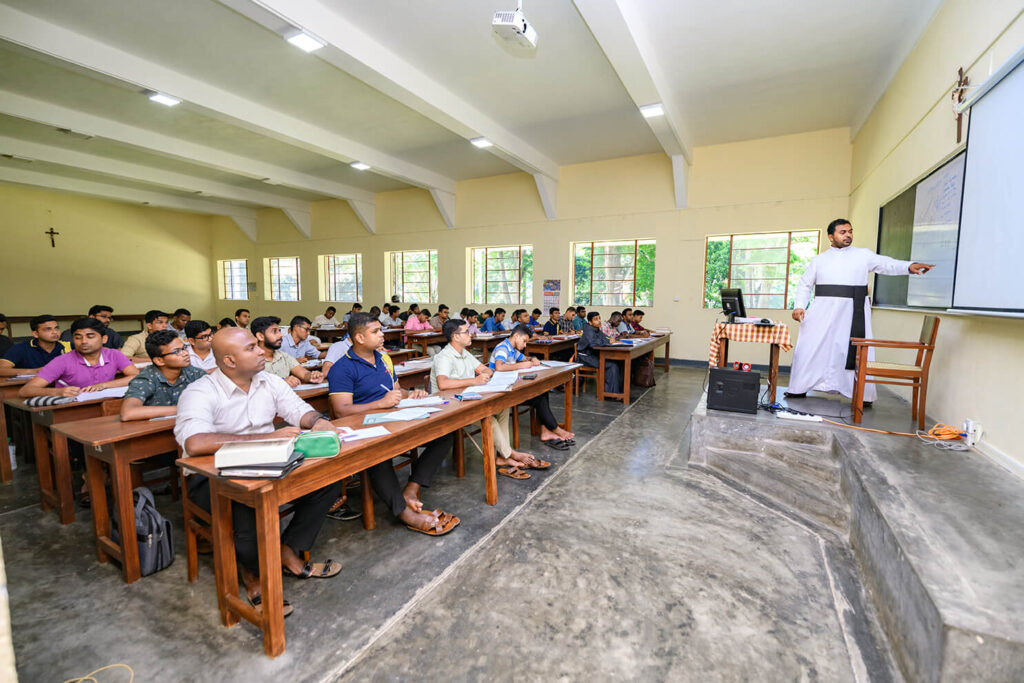
Intellectual formation is an essential dimension of priestly formation. As such, much of the Seminarian’s time is spent on studies. Except on holidays, in the morning hours of all the other days, Seminarians have classes. They learn philosophy and theology. Philosophical studies with its coherent body of knowledge of man, the world and God, lay a solid foundation for theological studies. In theology, Seminarians fathom the person of Jesus Christ, and the truths revealed in His teachings and articulated by the Church under the guidance of the Magisterium. In theology classes, they learn sacred scripture, dogmatic theology, moral theology, canon law, liturgy, pastoral theology and many other subjects. Seminarians study ecclesiastical Latin, Biblical Greek and Hebrew. In addition, they are given opportunities to learn vernacular languages such as Sinhala and Tamil, which are useful for their future pastoral ministry.
Manual Work and closeness to nature
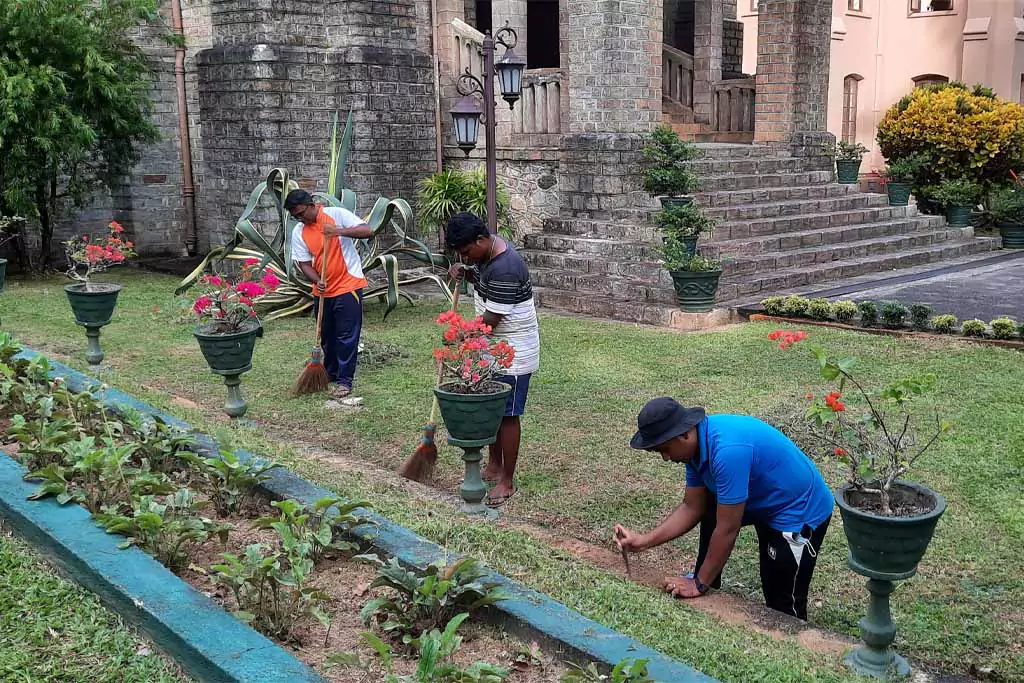
The seminarians till the earth and tend to the land and animals embodying a divine connection between hands that toil and their souls. In a harmonious convergence of spirituality and earthly guardianship, seminarians engage in the sacred act of farming, cultivating the land and caring for animals. This hands-on involvement with the soil and the creatures, underlines a profound understanding of the divine connection between labor and the soul. The rhythmic beat of their toil becomes a form of prayer, where the fertile earth becomes a holy canvas for cultivating food and nurturing life. This unique fusion of physical work and spiritual contemplation not only sustains our community but also serves as a poignant reminder of the responsibility entrusted to humanity to be stewards of creation. In the fields, seminarians find a tangible expression of the sacred interconnectedness between God’s creation and the labor of their hands, fostering a deep appreciation for the divine in the mundane activities of farming.
Sports and Recreation for mental and physical vigor
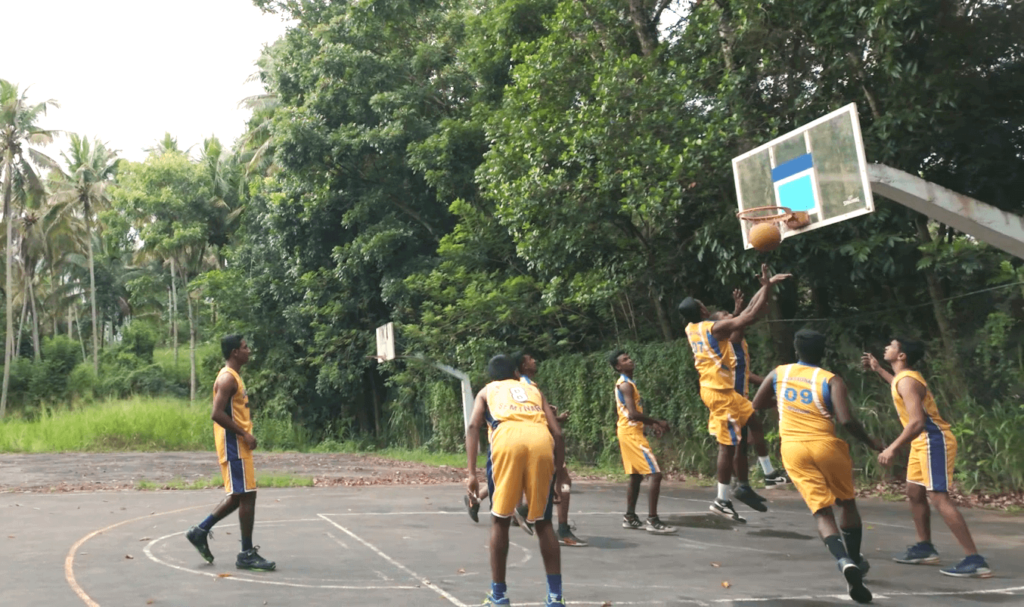
Sports activities transcend mere physical exercise; they represent a holistic approach to formation that converges spiritual development with physical vigor. As seminarians engage in sports, they not only adopt bodily strength but also foster teamwork, discipline, and resilience—values integral to their future roles as religious leaders. The playing field becomes a place where the harmonious union of body and soul is celebrated, emphasizing the unification of physical well-being with spiritual growth. Whether through friendly competitions or collaborative exercises, sports in the seminary contribute to the holistic formation of individuals who appreciate the symbiotic relationship between a healthy body and a nourished spirit. This dynamic integration of sports into seminary life not only promotes overall well-being but also prepares future religious leaders to embody a balanced and holistic approach to their vocation.
Cultural Engagements for a powerful pastoral ministry
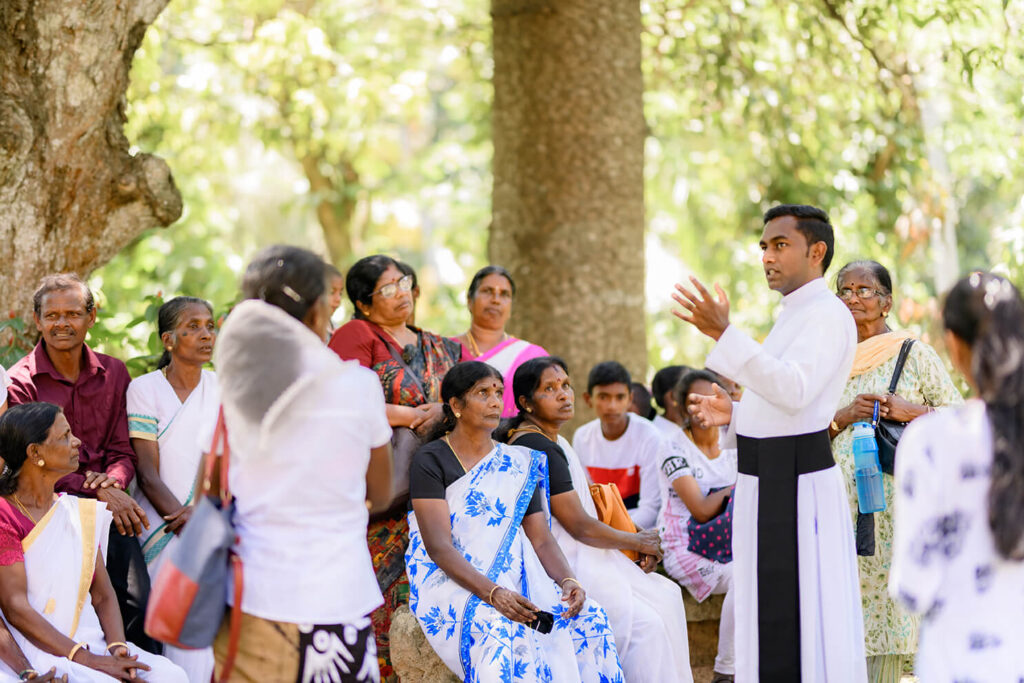
Cultural academies within a seminary play a crucial role in fostering a comprehensive education that extends beyond class room education. These academies serve as dedicated centres where Seminarians engage in the exploration and appreciation of various cultural dimensions, including art, literature, music, and history. By integrating cultural studies into the seminary curriculum, aspiring religious leaders gain a broader understanding of the diverse contexts in which our faith operates. Cultural academies not only enrich the intellectual pursuits of seminarians but also contribute to their ability to connect with communities from different backgrounds. Through exposure to diverse cultural expressions, seminary students can develop a more inclusive and empathetic approach to pastoral care, enabling them to bridge cultural gaps and promote a deeper sense of community within their religious organizations.
Cultural academies stand as vibrant crucibles where theological wisdom intertwines with the kaleidoscope of human expression, shaping future religious leaders capable of understanding and embracing the diverse tapestry of our shared humanity.
Our Cultural academies
C. E. A. – Chesterton English Academy
The Chesterton English Academy of the Seminary is dedicated to achieving linguistic proficiency and effective communication skills among seminarians. The primary goals encompass enhancing reading, writing, listening, and speaking abilities in English language. Through interactive sessions, the academy aims to equip seminarians with the language skills necessary for academic pursuits, pastoral ministry, and effective engagement in a diverse and globalized Church environment. The overarching objective is to empower seminarians with the linguistic competence needed to articulate theological insights, engage in intercultural dialogue, and fulfill their pastoral responsibilities with clarity and effectiveness.
G. T. A. – Gnanapragasar Tamil Academy
The Gnanapragasar Tamil Academy symbolizes a commitment to foster an appreciation for the rich cultural and linguistic heritage of Tamil-speaking communities. The academy seeks to instill a deep respect for the diverse traditions, rituals, and artistic expressions embedded in Tamil culture. By valuing and understanding the cultural richness of the Tamil community, seminarians are better equipped to serve in multicultural contexts, promoting inclusivity, and bridging cultural gaps in their pastoral ministries. The Tamil Academy thus becomes a vital conduit for seminarians to embody a holistic appreciation for the various cultures within the Church which is expanding its horizons.
Go.Si.A. - Gonsalvez Sinhala Academy
The Gonsalvez Sinhala Academy within the seminary plays a pivotal role in nurturing cultural understanding and fostering a deep appreciation for the heritage of Sinhala-speaking communities. Its primary objectives extend beyond linguistic proficiency to encompass the preservation and celebration of Sinhala culture, traditions, and values. The academy endeavors to instill in seminarians a profound respect for the cultural nuances, customs, and religious practices that shape the way of life of the Sinhalese community. Through cultural events, seminarians are empowered to engage meaningfully with the Sinhala community, bridging cultural divides and enriching their pastoral ministry. Embracing these cultural values equips seminarians to serve with sensitivity, fostering unity and understanding in the diverse communities of the Church.
Our Social Arm
C.P.L. – Christ the Poor League
"Christ the Poor League" is a compassionate initiative dedicated to aiding the less fortunate in our communities. Grounded in the teachings of Christ, this league embodies the spirit of service and charity, seeking to extend a helping hand to those facing adversity. Through various outreach programmes, charitable activities, and community engagement, the League aims to address the needs of the impoverished, offering not only material assistance but also emotional and spiritual support. Whether providing essential resources, organizing community events, or fostering a sense of solidarity, the Christ the Poor League strives to make a positive impact, embodying the Christian principle of love and care for one's neighbors.
Most importantly, Christ the Poor League through its various programmes and activities, inculcate in the heart of the Seminarian a deep love for the less-privileged and encourage them to value and embrace simplicity of life.